Pitshanger Lane upholstery cleaning and stain removal tips
Posted on 01/07/2026
Pitshanger Lane Upholstery Cleaning and Stain Removal Tips: A Practical Local Guide
If you live or work near Pitshanger Lane, you already know how quickly upholstered furniture can go from "looking fine" to "why is that mark still there?" Coffee rings, muddy paw prints, wine splashes, food crumbs, everyday body oils, and general London life all settle into sofas and chairs faster than most people expect. This guide to Pitshanger Lane upholstery cleaning and stain removal tips is designed to help you deal with those problems calmly, safely, and with far better results.
Whether you are trying to rescue a fabric sofa after a small spill or you want to keep a favourite armchair looking presentable for longer, the key is understanding the fabric, acting in the right order, and avoiding the little mistakes that make stains set deeper. We will cover what works, what does not, and when it makes sense to bring in professional help. To be fair, that last part saves a lot of grief.
If you are also looking after carpets or planning a broader clean, you may find useful background in the company's carpet cleaning in Ealing W5 page and the main upholstery cleaning service for Ealing W5.
Why Pitshanger Lane upholstery cleaning and stain removal tips Matters
Upholstery is one of those things people stop noticing until it starts showing signs of wear. Then suddenly the room feels tired, even if everything else is clean. That is especially true in busy homes around Pitshanger Lane, where sofas, dining chairs, ottomans, and fabric headboards often get heavy everyday use.
Stains matter because they do more than change appearance. Liquids can sink below the surface fibres, oils can attract dust, and crumbs can become a food source for odours and pests. Once a stain settles in, it can be much harder to remove without causing fading, water marks, or texture damage. And if you have ever scrubbed a mark only to make a bigger pale patch around it... yes, that happens a lot.
Good cleaning advice matters for another reason too: not all upholstery behaves the same way. Cotton blends, linen, velvet, synthetic microfibres, wool-rich fabrics, and leather all need different handling. A method that works on one material can be risky on another. So the real value of practical stain removal tips is not just removing a mark today; it is protecting the furniture for the long term.
For households preparing to move, rent out, or refresh their interiors, upholstery care often goes hand in hand with broader property cleaning. That is one reason people looking at end of tenancy cleaning in Ealing W5 often ask about soft furnishing cleaning at the same time.
How Pitshanger Lane upholstery cleaning and stain removal tips Works
The basic logic is simple: identify the fabric, remove loose soil, treat the stain carefully, then dry the area properly. The tricky part is doing each step in the right order and with the right pressure.
In most cases, upholstery cleaning starts with dry soil removal. That means vacuuming the surface, crevices, seams, and under cushions. It sounds basic, but it is important. If grit and dust are left behind, they can grind into the fibres when moisture is added. That turns a minor clean into a rougher, more abrasive job.
Next comes stain assessment. Is the mark from water, tea, red wine, ink, grease, makeup, pet accidents, or something else? Different stains respond differently because they are made of different substances. Water-based stains often respond to controlled moisture and blotting. Grease-based stains usually need absorbent treatment first. Protein-based stains, like milk or food residue, need especially careful handling because heat can set them.
Then comes the actual treatment. The golden rule is to blot, not rub. Rubbing pushes the stain further into the pile and can distort the fabric. A clean white cloth, a little suitable solution, and light pressure are usually more effective than effort and enthusiasm. Truth be told, upholstery often rewards patience more than force.
Finally, the fabric must dry evenly. A damp patch left to air-dry badly can cause a water tide mark or a musty smell. In UK homes, where rooms may be a bit cooler or less ventilated in winter, that drying stage is easy to underestimate.
Key Benefits and Practical Advantages
There are a few obvious benefits to regular upholstery care, but the less obvious ones are often the most valuable.
- Longer fabric life: Removing grit, oils, and residue reduces wear on fibres.
- Better appearance: Colours look fresher when dust and stains are lifted.
- Improved indoor comfort: Clean upholstery feels and smells more pleasant in everyday use.
- Reduced chance of permanent staining: Early treatment is always easier than late treatment.
- Better support for allergy-sensitive households: While cleaning is not a medical treatment, removing dust and trapped debris can make furnishings feel less stale.
- Stronger first impression: Especially useful if you are hosting guests, preparing a home for sale, or welcoming clients.
There is also a financial angle. Replacing a sofa or a set of dining chairs is expensive. Good cleaning, even if it is only routine maintenance, can buy you a lot more usable time from what you already own.
If your property is being presented for buyers, tenants, or visitors, a coordinated clean across upholstery, carpets, and general living spaces can make a noticeable difference. Some people pair this with house cleaning in Ealing W5 or domestic cleaning in Ealing W5 so everything feels consistent rather than half-done.
Who This Is For and When It Makes Sense
This topic is useful for a wide range of people, not just those with a dramatic red wine incident on a Friday night. You may need these tips if you are:
- a homeowner trying to maintain a family sofa that sees daily use
- a tenant preparing for an inspection or move-out clean
- a landlord or letting agent wanting furniture to look presentable
- a pet owner dealing with fur, odours, or the occasional muddy surprise
- a parent managing food spills, finger marks, and sticky patches
- someone who has inherited or bought second-hand furniture and wants to freshen it safely
- a local business owner with upholstered seating in a reception or office area
It makes sense to act quickly after a spill, but it also makes sense to step back and assess whether the fabric is sensitive, whether the stain has set, and whether the item is worth professional treatment. A small mark on a washable synthetic chair is a very different problem from a delicate velvet sofa with a dark dye transfer. Common sense helps a lot here.
If the issue is part of a wider clean around a work environment, the advice may sit alongside office cleaning in Ealing W5. Upholstered office chairs collect oils and dust surprisingly quickly, especially near armrests and headrests.
Step-by-Step Guidance
Here is a practical, careful process you can follow for most everyday upholstery stains. Keep it gentle. That is the main thing.
1. Check the care label first
Before using anything, look for the manufacturer's cleaning code if there is one. Common labels usually mean the following:
- W: water-based cleaning is acceptable
- S: solvent-based cleaning only
- WS: either may be suitable with caution
- X: vacuum only or professional cleaning recommended
If there is no label, test very cautiously in a hidden spot. Under a cushion flap is often a sensible place.
2. Remove loose debris
Vacuum the area thoroughly using a soft brush attachment if possible. Lift crumbs, dust, pet hair, and grit before introducing moisture. This matters more than people think.
3. Blot the spill immediately
If the stain is fresh, use a clean white cloth or paper towel to blot from the outside edge inward. Do not press so hard that the liquid spreads. Keep switching to a clean section of the cloth.
4. Identify the stain type
Ask yourself what caused the mark:
- Tea or coffee: usually water-based, but may include milk or sugar
- Wine or juice: can contain strong dyes
- Grease or food oil: may need absorbent treatment first
- Ink: often needs specialist handling
- Pet accidents: need stain and odour treatment, not just surface cleaning
5. Apply the safest suitable treatment
For many washable fabrics, a mild solution of water and a little gentle detergent can work well when applied sparingly. Use a damp cloth rather than soaking the fabric. For grease, an absorbent powder can sometimes help lift residue before any liquid treatment is used. For delicate fabrics, less is more.
6. Work in small sections
Do not drench the whole cushion. Work on the affected patch only, moving outward carefully if needed. That reduces the risk of rings and uneven drying.
7. Rinse lightly if appropriate
If detergent has been used on a water-safe fabric, lightly dab with a cloth dampened in clean water to remove residue. Leftover soap can attract dirt later. Bit annoying, but true.
8. Dry properly
Press a dry towel into the area to absorb moisture. Then allow airflow, open a window if practical, or use a fan on a gentle setting. Avoid direct high heat unless the care label clearly allows it.
9. Reassess after drying
Some stains only reveal themselves once the fabric is dry. If a mark remains, repeat the safest step once more or call in a professional rather than escalating with harsher chemicals.
Expert Tips for Better Results
Small decisions make a big difference with upholstery. In our experience, the following habits save the most time and trouble.
- Use white cloths only: Coloured cloths can transfer dye, especially on pale fabrics.
- Keep blotting, not scrubbing: This is one of those boring rules that genuinely works.
- Try a hidden test spot every time: Even "safe" solutions can alter colour or texture.
- Work from the edge of the stain inward: This helps stop spread.
- Do not over-wet cushions: Deep moisture can reach padding and take ages to dry.
- Clean the whole panel if needed: Spot-cleaning a single patch can sometimes leave a visible patch boundary.
- Vacuum regularly: This reduces the build-up that turns minor staining into embedded grime.
- Deal with smells early: A stain may be gone visually, but odour can remain if residue is not removed properly.
Velvet deserves a special mention. It can look beautiful after cleaning, but it also shows pressure marks and water marks easily if handled carelessly. If you have velvet curtains or upholstered pieces, the principles are similar to those in the company's guide to keeping velvet curtains pristine and clean: gentle handling, minimal moisture, and careful drying.
Another useful habit is to rotate cushions and change where people sit. It sounds almost too simple, but it helps spread wear more evenly. One side of the sofa should not become the "always here" side.
Common Mistakes to Avoid
Most upholstery damage from cleaning is not caused by the stain itself. It is caused by the cleanup attempt. A bit unfair, really.
- Using too much water: This can spread staining and weaken backing materials.
- Scrubbing hard: It can fuzz fibres, distort pile, or make the mark bigger.
- Using random stain removers without a test: Some products bleach, stain, or leave residue.
- Applying heat too early: Heat can set some stains permanently.
- Ignoring fabric codes: Water-safe and solvent-only fabrics are not interchangeable.
- Cleaning only the obvious spot: That can leave a halo or faded patch.
- Waiting too long: Old stains are usually harder, not easier, to remove.
Another common mistake is forgetting about the padding underneath. If a drink or pet accident soaks through, the visible surface may look improved while the deeper layer still holds smell or residue. That is one reason professionally cleaned items often smell cleaner for longer.
And yes, using scented sprays to mask an odour is not the same as removing it. Nice try, but no.
Tools, Resources and Recommendations
You do not need a van full of equipment to take good care of upholstery. A small, sensible kit is enough for most homes.
| Tool or Item | Why It Helps | Best Use |
|---|---|---|
| Vacuum with brush attachment | Removes dust, crumbs, and pet hair | Routine maintenance and pre-treatment cleaning |
| Clean white microfibre cloths | Useful for blotting without dye transfer | Spills, rinsing, and drying |
| Soft upholstery brush | Helps lift surface soil gently | Dry soil removal |
| Mild detergent or upholstery-safe cleaner | Supports safe spot treatment on suitable fabrics | Water-safe fabric stains |
| Absorbent towel or kitchen paper | Useful for fresh spills | Initial moisture removal |
| Small fan or good airflow | Speeds drying and reduces musty smells | After cleaning |
If you are unsure which method suits your furniture, a professional upholstery cleaning service is usually the safest next step. That is especially true for antiques, mixed-fibre fabrics, bright dyes, and large sectionals that trap moisture deeply.
For people balancing home upkeep with work or family life, a broader cleaning plan can help. Some combine furniture care with house cleaning services in Ealing W5 or even periodic domestic cleaning so the whole space stays on top of things without a constant weekend battle.
Law, Compliance, Standards, or Best Practice
For most homeowners, upholstery cleaning is a practical maintenance task rather than a regulated activity. Still, there are sensible UK best practices worth following. If you are using commercial cleaning chemicals, the safety information on the product should be read and followed carefully. That includes ventilation advice, dilution guidance, and warnings about mixing products.
If you hire a cleaning company, it is reasonable to expect them to know how to assess fabric type, explain the likely method, and avoid risky treatment on delicate materials. Good practice also means using the least aggressive method that still gets the job done. That is a professional standard in spirit, even if most people would not phrase it that way on a Tuesday morning.
There is also a basic safety point around damp furnishings. Furniture that stays wet for too long can develop odours or, in poor conditions, mildew. So if cleaning is done in a cooler room or in a flat with limited airflow, drying time should be treated as part of the job, not an optional extra.
If the cleaning is part of preparing a rented home, many people also think about general presentation and condition reporting. In that case, a tidy, documented approach is wise. Upholstery condition, carpet condition, and surface cleanliness all matter together, which is why some households coordinate with end of tenancy cleaning in Ealing W5.
Options, Methods, or Comparison Table
There are several ways to tackle upholstery stains. The best choice depends on the fabric, the type of stain, and how much risk you are willing to take. Here is a simple comparison.
| Method | Best For | Pros | Limitations |
|---|---|---|---|
| Dry vacuuming | Routine maintenance | Safe, quick, essential first step | Will not remove set stains |
| Light blotting with water-safe cleaner | Fresh spills on suitable fabrics | Effective for many everyday marks | Risky on delicate or solvent-only fabrics |
| Absorbent powder treatment | Greasy stains | Can lift oil before liquid is used | May need repeating; not suitable for all fabrics |
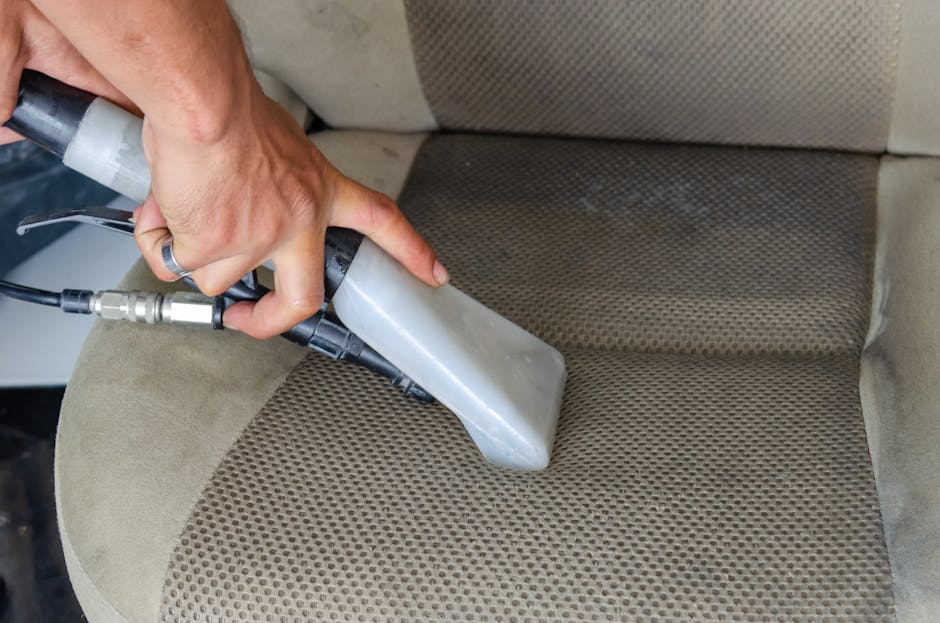
| Dedicated upholstery cleaning machine | Deep surface cleaning on robust fabrics | Improves overall freshness | Too much moisture can be a problem |
| Professional upholstery cleaning | Delicate, old, large, or stubborn stains | Expert fabric matching, safer technique, deeper results | Costs more than DIY, though often better value in the long run |
There is no prize for choosing the most aggressive option. Most of the time, the safest effective method is the smartest one.
Case Study or Real-World Example
Here is a realistic example from everyday life. A family on or near Pitshanger Lane had a three-seater fabric sofa with a tea spill on one cushion and a faint greasy mark on the armrest from regular use. Nothing dramatic. Just the sort of thing that slowly makes a room feel worn.
They first vacuumed the sofa, then checked the fabric code. The tea mark was treated with light blotting and a mild water-based solution, while the armrest was handled more cautiously because the residue looked oily. The key was patience. They did not soak the fabric, and they did not attack it with a scrubbing sponge, which is always tempting and usually wrong.
The fresh tea mark improved quickly. The armrest mark needed a second, gentler treatment and a longer drying period. Afterward, the sofa looked brighter overall, and the room felt more inviting. Not brand new, of course. But noticeably better. That kind of result is often the sweet spot: a cleaner sofa, less odour, and no damage from over-cleaning.
In cases like this, a professional clean can sometimes be worth it if the fabric is mixed, if the stain has already set, or if the household wants the whole piece refreshed evenly. That is especially true when furniture sits in high-use rooms or a front reception area near the street.
Practical Checklist
Use this quick checklist before you clean upholstered furniture:
- Identify the fabric type or care code
- Vacuum the item thoroughly
- Check the stain type before using any solution
- Test any cleaner in a hidden spot
- Blot gently with a clean white cloth
- Use as little moisture as possible
- Avoid scrubbing and heavy pressure
- Dry the area evenly with airflow
- Inspect again once dry
- Call a professional if the stain remains or the fabric is delicate
Quick takeaway: the safest approach is usually the best one. Start small, stay gentle, and resist the urge to flood the fabric with product just because you want the mark gone quickly.
Conclusion
Pitshanger Lane upholstery cleaning and stain removal tips are really about a few simple habits repeated well: know your fabric, act quickly, blot carefully, and dry properly. Once you do that, you avoid most of the common mistakes that turn a small spill into a lasting problem.
For everyday marks, a calm DIY approach often works. For stubborn stains, delicate materials, or furniture that simply needs a deeper refresh, professional upholstery cleaning is the safer route. Either way, the goal is the same: furniture that looks better, lasts longer, and feels comfortable to live with. That is worth a bit of attention, honestly.
If you are planning a full refresh, want advice on a tricky fabric, or need help with stubborn stains, the next sensible step is to speak with a local specialist and compare options before the problem sets in further.
Get a free quote today and see how much you can save.

From a young age, Blair has cultivated a passion for order, which has now matured into a prosperous profession as a waste removal specialist. She derives satisfaction from transforming disorderly spaces into practical ones, aiding clients in conquering the burden of clutter.


